April 3, 2026
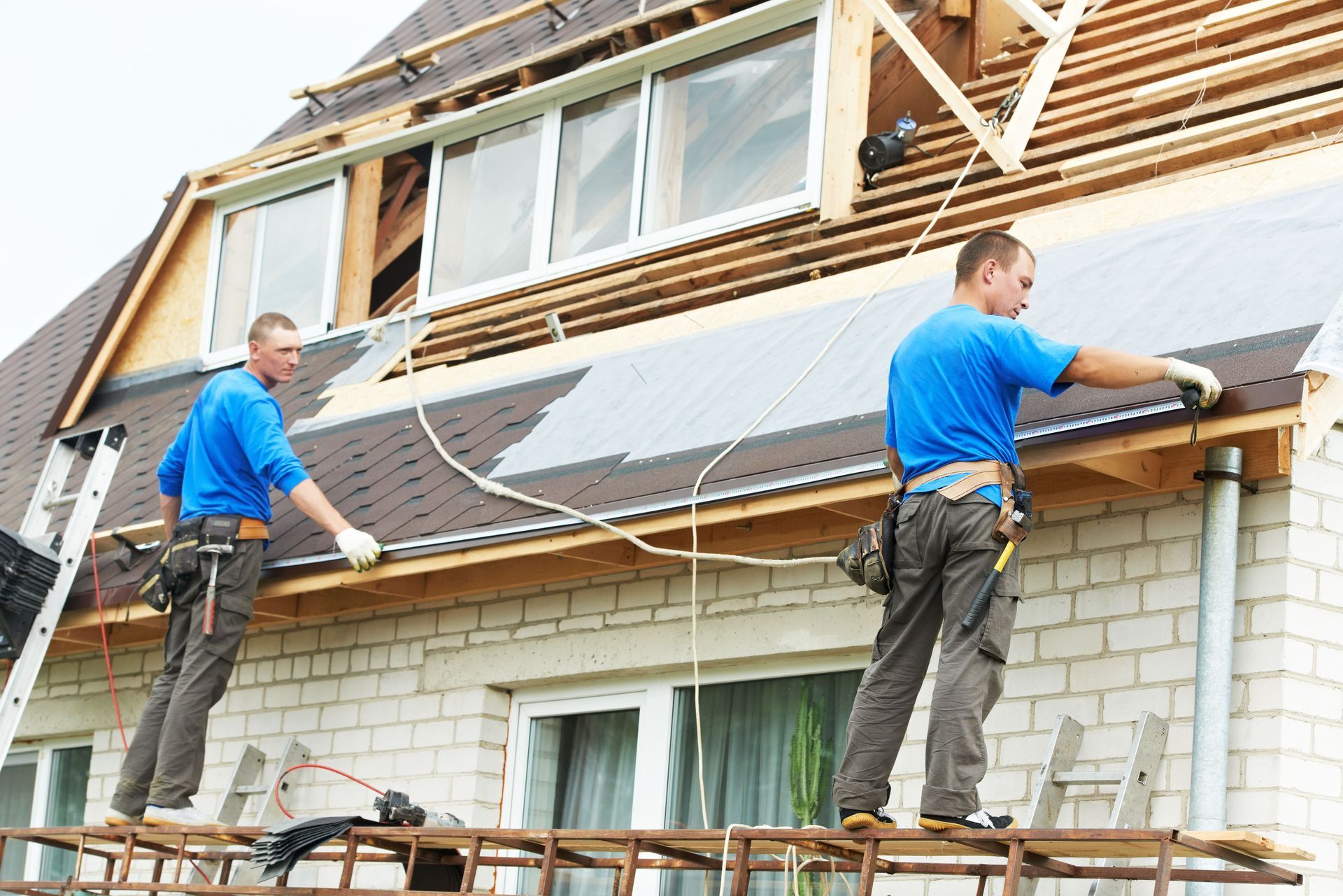
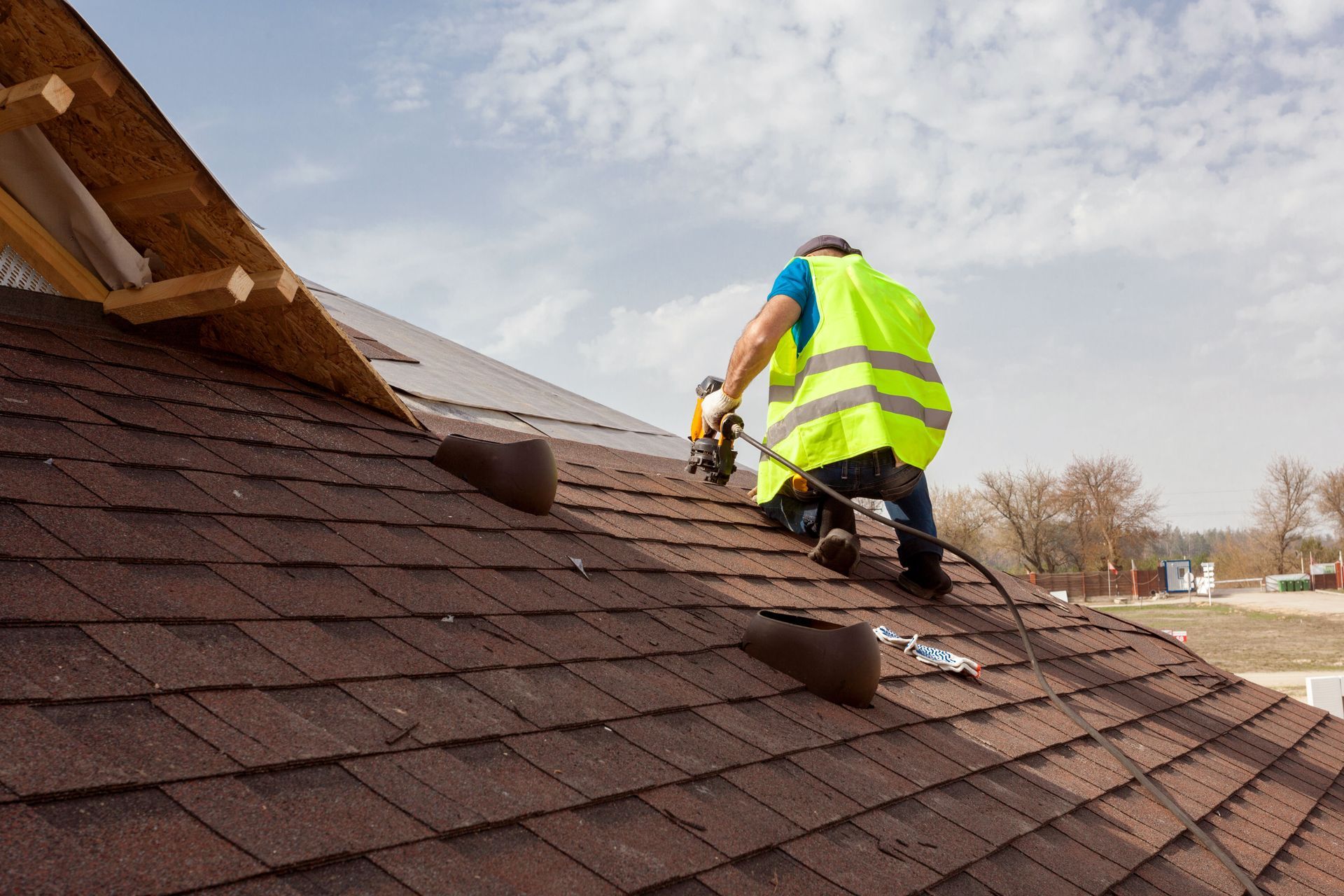
The roof of a house plays a crucial role in protecting everything inside from the harsh elements of nature. It acts as a shield against rain, wind, snow, and sun. Without regular inspections, even small issues can quickly escalate into significant problems that require extensive repairs. Roof maintenance is therefore a necessity to avoid high costs and potential damage to the home’s interior and structure. This article provides a comprehensive guide on how to identify when a roof repair is needed, offering insights into preventative maintenance and when to seek professional help.
Understanding Roof Anatomy
Roof Structure Basics
The roof structure is comprised of several key components that work together to form a cohesive whole. Rafters are support beams that run from the peak of the roof to its edge, providing the essential framework. Joists are horizontal members that distribute the load evenly across the roof, ensuring stability. Knowing these basics helps homeowners understand where potential weaknesses may occur over time. This knowledge lays the foundation for recognizing structural issues during inspections.
Types of Roofing Materials
Roofing materials vary widely, each offering distinct advantages and disadvantages. Asphalt shingles are the most common, known for their affordability and ease of installation. Metal roofing is also gaining popularity, particularly in regions prone to frequent storms; for instance, it surged 35% from 2024 to 2025 according to Sun Sent. Clay tiles, while more expensive, provide excellent durability and insulation. Each material's performance and lifespan will impact the inspection process, as different materials exhibit wear differently.
The Role of Underlayment
Underlayment is a crucial layer in roofing that rests between the roof deck and the outer materials. It acts as an added line of defense against water penetration, protecting the wooden structure beneath. This barrier is essential because, over time, even the best roofing materials can wear down and allow moisture in. Detecting any tears or areas where the underlayment is exposed during an inspection is critical. Repairing underlayment breaches can prevent extensive water damage to the home's interior.
Roof Flashing Significance
Roof flashing consists of thin metal pieces installed at roof intersections, edges, and protrusions to seal these vulnerable areas. Its primary purpose is to prevent water from seeping into joints and causing leaks. Properly installed flashing can significantly extend the life of a roof by preventing moisture-related problems. When inspecting, it's essential to check all flashing areas for signs of rust or detachment. Knowing how crucial flashing is can help homeowners prioritize repairs in these areas.
Gutters and Downspouts Importance
While gutters and downspouts aren't part of the roof itself, they play a vital role in its longevity. They direct rainwater away from the roof edges and the foundation, preventing water from backing up and causing damage. During inspections, clear any debris from gutters and ensure downspouts are securely attached and lead water well away from the home. Proper drainage helps maintain the roof's structural integrity by reducing the risk of water-related issues. Regular maintenance of these components is crucial for comprehensive roof care.
Identifying Common Roof Problems
Detecting Shingle Damage
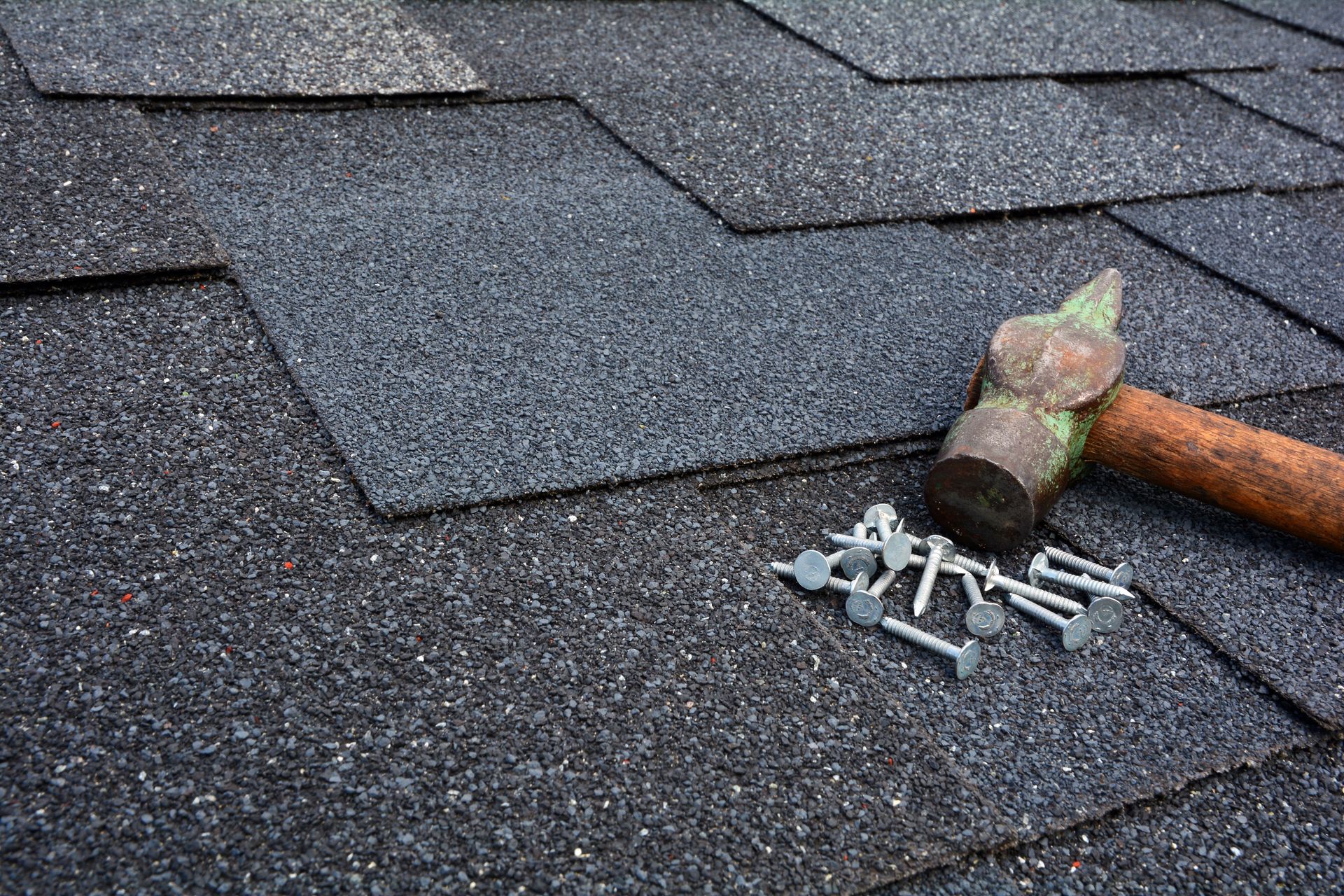
Over time, roofing shingles can suffer from various forms of damage, including curling, cracking, and even completely missing shingles. These issues can result from exposure to harsh weather conditions, such as hail or heavy winds. Another common problem is granule loss in areas of older roofs, leading to compromised protection against UV rays and increased moisture absorption. Identifying shingle damage early can prevent larger problems, such as leaks, from developing. Regularly inspecting the condition of shingles is essential to maintain the overall health of the roof.
Spotting Leaks and Water Damage
Water damage to a roof can have severe consequences for the house's structure and interior. Leaks often start small and can go unnoticed if not inspected thoroughly. Signs of leaks can include water stains on ceilings or walls, as well as musty odors. It is important to check all areas within the attic for any signs of moisture or mold, especially after significant storms or heavy rain. Preventing and addressing leaks promptly can save homeowners from costly repairs down the line.
Recognizing Roof Moss and Algae Growth
Roof surfaces, particularly in shaded or damp areas, are prone to moss and algae growth. While they may not necessarily harm the roofing materials instantly, their presence can cause significant damage over time. Also, moss and algae can cause the degradation of shingles, leading to their weakening and eventual breaking. Furthermore, their growth can trap moisture against the roof surface, fostering an environment conducive to leaks and rot. Regular cleaning and chemical treatments can effectively manage biological growth on roof surfaces.
Checking Ventilation Issues
Proper ventilation is a key aspect of roof health that is often overlooked. Inadequate ventilation can lead to heat and moisture buildup, causing roofing materials to degrade faster. Hot air trapped in the attic can raise energy costs significantly by making cooling systems work harder. Signs of poor ventilation include excessive attic heat, moisture accumulation, and ice dams during winter. Ensuring proper ventilation helps preserve the roof’s integrity and lifespan.
Assessing Structural Sagging
Sagging in a roof structure often indicates severe underlying problems that require immediate attention. Causes of sagging can include prolonged exposure to moisture leading to rot, or inadequate support structure during the original construction. This condition not only affects the roof's aesthetics but also its safety and functionality. During inspections, it is crucial to assess the roofing line and underlying support beams for any visible sag. Addressing sag early is vital to avoid potential collapse or further structural damage.
Conducting a DIY Roof Inspection
Gathering Necessary Tools
Performing a thorough DIY roof inspection necessitates the right tools and safety gear. Homeowners should equip themselves with a ladder, binoculars, a flashlight, and a camera for documentation. Safety gear, such as work gloves and non-slip shoes, is essential for personal protection. It’s also prudent to have a checklist to ensure every key area of the roof is inspected meticulously. Proper preparation is paramount in ensuring a successful and safe inspection experience.
Exterior Roof Inspection Steps
Begin the exterior inspection by walking around the home’s perimeter to observe the roof’s general condition. Look for visible damage, including missing or curled shingles and debris accumulation. Use binoculars to inspect hard-to-reach areas and peaks where climbing may not be safe. Pay special attention to the gutter system, ensuring it’s free of leaves and debris that could hinder water flow. This methodical approach allows homeowners to spot early signs of roof deterioration effectively.
Interior Roof Inspection Steps
Inspecting the interior of the roof involves checking the attic and upper ceilings for any signs of moisture or sunlight penetration. Begin by looking for damp patches or stains on the interior ceilings and walls. This could indicate water leaks or poor insulation. Next, check the attic for sagging in the rafters and signs of mold or mildew caused by excess moisture. Proper interior inspections are as crucial as exterior ones in safeguarding the roof's longevity and home health.
Regular roof inspections and maintenance are central to preserving a home’s protection against the outside world. By understanding and recognizing potential issues, homeowners can either address problems directly or seek professional assistance before costly damage occurs. This proactive management ultimately ensures the longevity and resilience of the roof, optimizing home safety and aesthetic value. Whether through DIY evaluations or hiring experts, maintaining a vigilant approach to roof health remains crucial. Following the guidance provided throughout this article empowers homeowners to stay ahead in safeguarding their homes. Be sure to reach out to AJ Kerekes Roofing LLC today for more information on our professional roof repair!